
The Museum
A museum of classic computers and game systems where the exhibits are switched on and you're expected to touch them.
Hands-on
Come see — and play with — the collection.
We are constantly working to improve our museum of classic (or "retro") computers and game systems.
A machine behind glass tells you almost nothing. You can't feel how heavy the keys are, how long it takes to load, how loud the drive is, or how strange the colours look on a real CRT. So ours are plugged in. Sit down and use them.
Opening soon
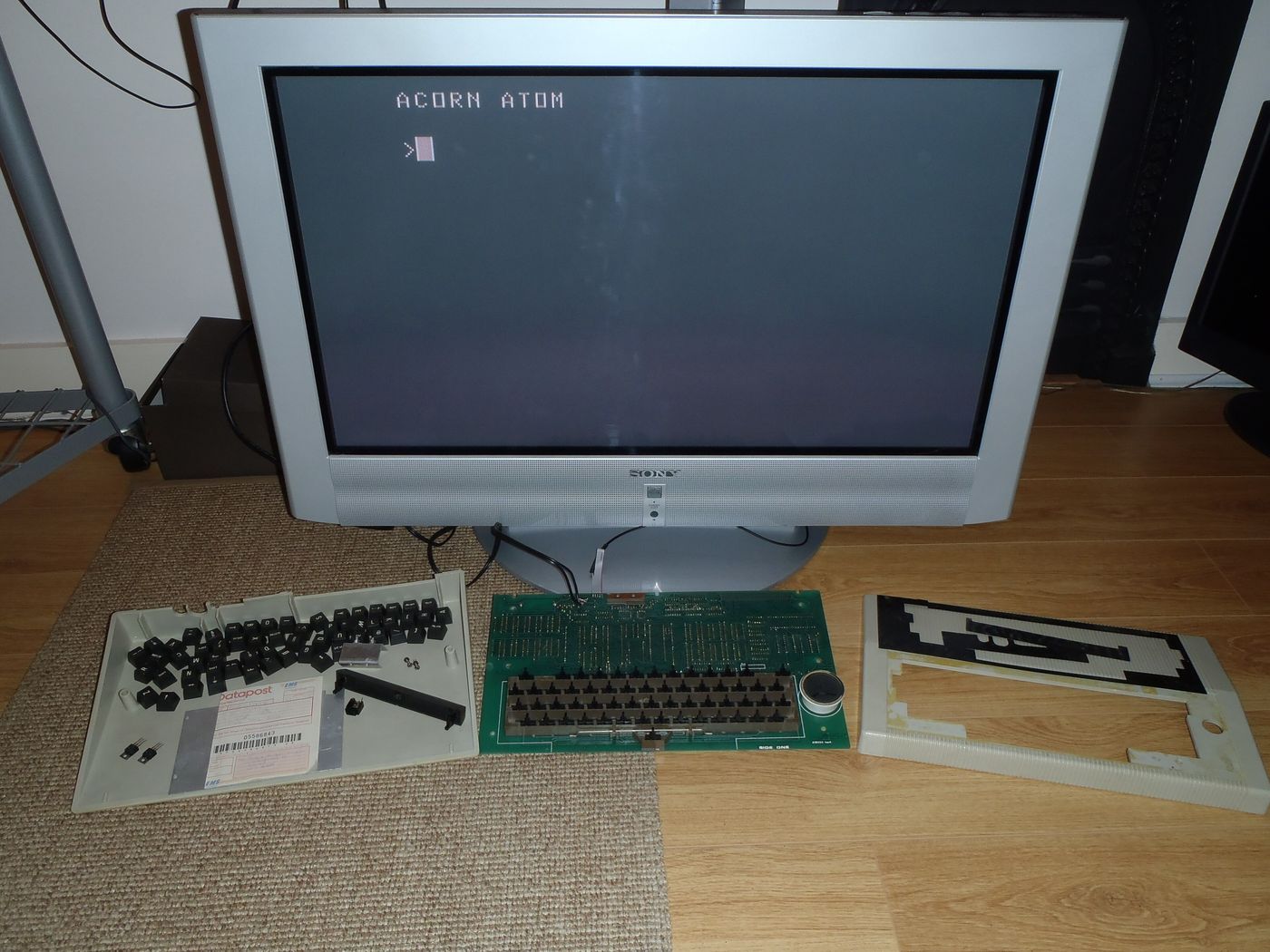 1972 – today
The collection
Systems from 1972 through today.
Roughly half a century of home computing, arranged so you can walk through it in an afternoon.
The analog era
Games like the 1972 Magnavox Odyssey, which predates the microprocessor entirely and works in ways that surprise almost everyone.
The home computer boom
The early 8-bit machines that put a computer in the living room, back when switching one on dropped you straight into a programming language.
Multimedia powerhouses
The machines of the 16-bit era, when home computers suddenly got serious about sound, graphics, and video.
DOS & early Windows
The beige years. Config.sys, sound card IRQs, and the specific misery of getting a game to run at all.
Foreign machines
A collection of systems from abroad, so you can see what our neighbors used while we were arguing about Commodore versus Atari.
And much, much more
The collection changes as we restore things. If you've got something interesting gathering dust, we'd love to hear about it.
Preservation
Why bother?
Because this stuff disappears quietly. Machines get thrown out, disks demagnetise, capacitors leak, and the people who remember how it all worked stop being around to ask. Software written for a machine that no longer runs is software that effectively no longer exists.
Preserving classic systems and software means keeping them working — not just keeping them. That's slow, unglamorous, and worth doing.
Get involved
Got an old machine in the basement?
We're always interested in systems, software, manuals, and peripherals — working or not. And if you'd rather help keep the lights on, the museum takes support directly.